No.006
Smiles and Science: How Modern Orthodontics Shapes Oral Health and Confidence
Straight teeth are what most people picture when they think of braces, but alignment is about far more than appearance. Teeth that meet properly are easier to clean, share chewing forces more…
- Posted
- Minutes needed
- 2 min
- Corner
- Health
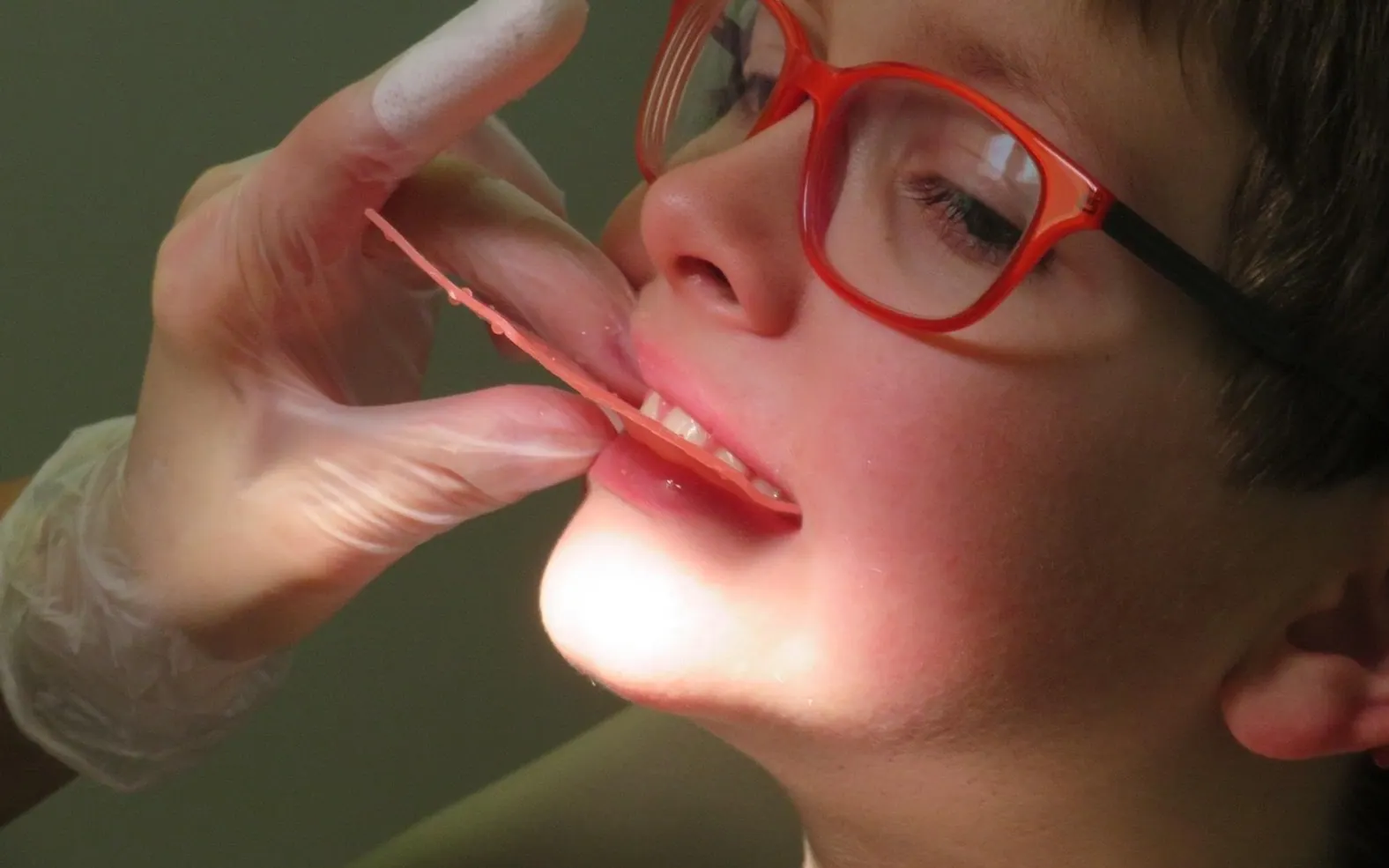
Straight teeth are what most people picture when they think of braces, but alignment is about far more than appearance. Teeth that meet properly are easier to clean, share chewing forces more evenly and are less likely to wear down in odd places. Orthodontics is the branch of dentistry that brings those changes about, slowly and deliberately, using light pressure that the body responds to over many months.
The biology behind the movement
A tooth is not cemented rigidly into the jaw. It sits in a socket, held by a thin ligament, and the surrounding bone is constantly being renewed. When a brace or aligner applies steady, gentle pressure, bone on one side is gradually removed while new bone forms on the other. That is why treatment takes time and why patience is built into the process: hurrying the movement would put roots and gums under unnecessary strain.
Tools in today's practice
- Fixed braces with metal or tooth-coloured brackets remain a dependable choice for complex cases.
- Clear aligners use a series of removable trays and suit many adults who want a discreet option, provided they wear them as instructed.
- Digital scans replace much of the old impression putty and let the treatment be planned and previewed on screen.
- Retainers hold the result afterwards, because teeth naturally tend to drift back.
The training behind the treatment
Planning tooth movement well calls for a solid grasp of growth, biomechanics and facial structure, which is why orthodontics is taught as a specialised field on top of general dental knowledge. For dental professionals in the Netherlands drawn to this area, programmes found under Orthodontist opleiding offer a structured way to build orthodontic skills, combining theory with practical clinical work. That depth of learning helps a care team recognise when a case is straightforward and when it needs a more careful plan.
Confidence and everyday comfort
For a lot of patients, the change that matters most is not in the mirror but in how freely they smile, talk and laugh in company. The practical gains count too: aligned teeth have fewer tight overlaps where plaque can hide, so brushing and flossing become simpler. During treatment, extra care is needed around brackets and wires, and interdental brushes or a water flosser can make that easier. Sticky sweets and very hard foods are best avoided while braces are on.
Whether orthodontic treatment suits you, and which approach fits best, depends on your teeth, gums and bite. A general dentist can check whether a referral makes sense, and an orthodontist can then explain the options, likely timelines and aftercare in detail.
Where we stand
Our guides inform, your clinician decides
We write to make everyday health topics easier to understand and easier to act on in small, safe ways. We are not trained clinicians, and an article can never know your history, your medicines or what a professional would notice in person.
If something you read here sits uneasily with advice you have been given face to face, follow the advice of the person who has actually seen you.
Sunniva, Ansgar, Briallen and Halvard
More small makeovers
- How Pregnancy Journaling Strengthens Your Connection to MotherhoodLifestyle · 2 min
- Dental Implants and Long-Term Health: Maintenance Habits That Protect Your InvestmentHealth · 3 min
- Refillable vs Disposable Vapes: What’s Best for UK Vapers?Health · 2 min
- How Male Enhancement Culture Undermines Healthy RelationshipsHealth · 2 min