No.004
Dental Implants and Long-Term Health: Maintenance Habits That Protect Your Investment
A new implant crown can feel so solid that it is tempting to stop thinking about it altogether. That reaction is understandable, but the tissue around an implant still needs steady attention.…
- Posted
- Updated
- Minutes needed
- 3 min
- Corner
- Health
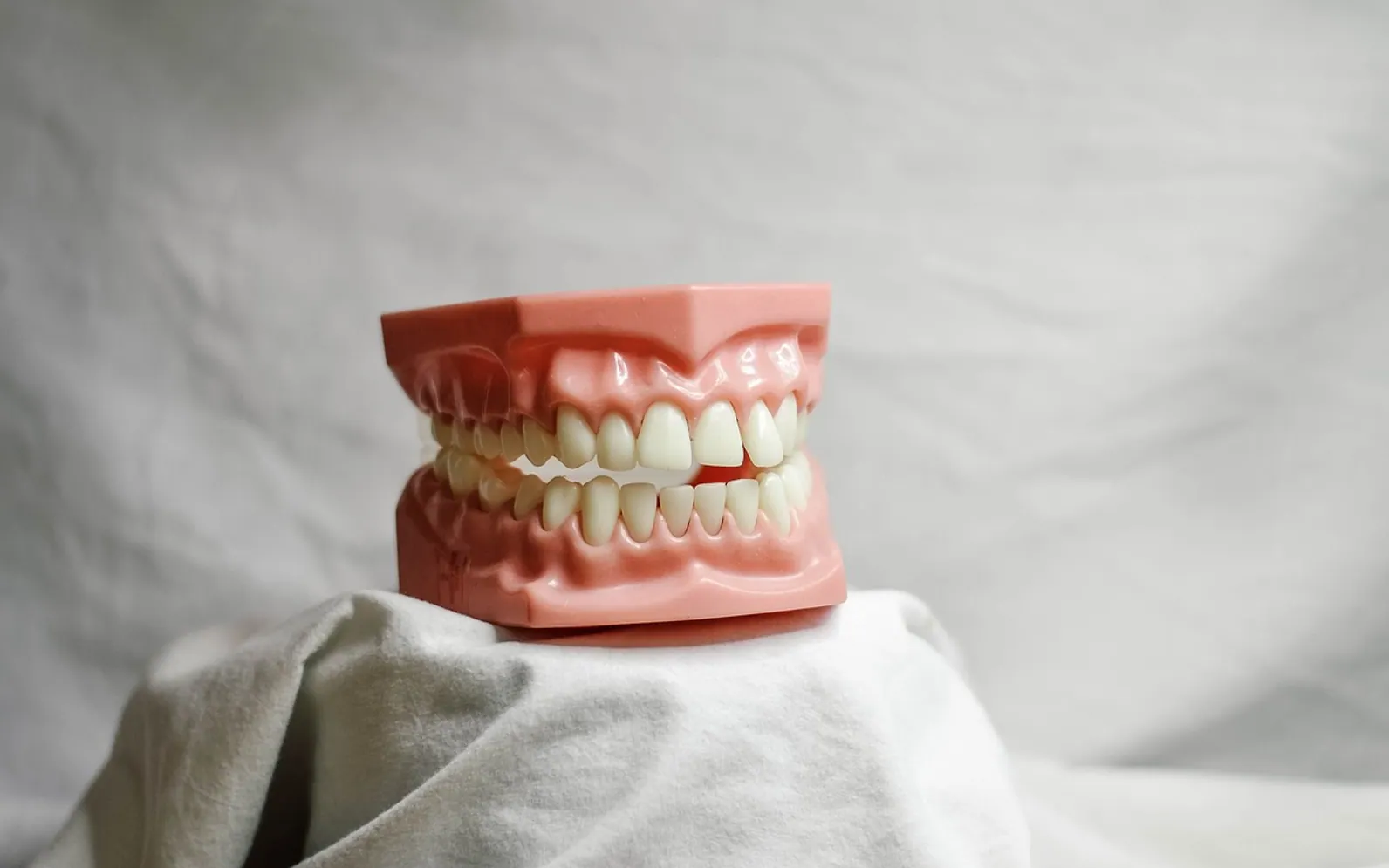
A new implant crown can feel so solid that it is tempting to stop thinking about it altogether. That reaction is understandable, but the tissue around an implant still needs steady attention. The gum forms a snug collar around the post instead of attaching through the tiny fibres that anchor a natural tooth, so plaque trapped in that collar can irritate the area quietly. Happily, protecting an implant asks for little more than a handful of easy routines, each lasting a few minutes.
Every day: clean the collar, not just the crown
Treat the gumline around the implant as the spot that matters most. A soft brush tilted towards the gum and used gently twice a day does more than any mouthwash. Many people find these extras helpful:
- A small interdental brush sized to the gap beside the implant, so it slides in without forcing.
- Floss designed for implants or bridges, or a threader to reach under a fixed bridge.
- A water flosser for rinsing away debris, used alongside brushing rather than in place of it.
- An electric brush with a pressure warning for anyone who tends to scrub hard.
Ask the hygienist to show you the right angles on your own mouth. A short demonstration in the chair tends to stick far better than a diagram on a leaflet.
Every few months: check-ups set by your own risk
There is no single correct interval for professional cleaning. Someone with healthy gums and no other risk factors may do well on the usual routine, while people with a past history of gum disease, those who smoke and those living with diabetes are often asked to come in more often. At these visits the team usually checks for bleeding, measures the space between gum and implant and may compare X-rays over time. Bleeding without any change in the bone is often an early stage that can settle with care, which is exactly why regular visits are worth keeping.
All year: the rest of your health counts too
Implants sit in living bone, so general health shows up in the mouth. Keeping long-term conditions well managed, telling your dental team about new medicines and taking steps to stop smoking all help the area stay stable. Night-time grinding is another quiet factor; a custom guard made by your dentist can take pressure off implants and natural teeth alike. Food choices matter in a practical way as well: ice cubes, hard sweets and unpopped popcorn kernels are best kept away from any crown.
Warning signs worth a phone call
| What you notice | What it can point to |
|---|---|
| Gums that bleed or look puffy around the implant | Inflammation that is usually easier to calm when caught early |
| A crown that feels slightly loose or clicks when you chew | Often a loosened screw or worn part rather than a problem in the bone |
| A bad taste or tenderness that lingers | Something the dental team should look at soon |
| A chipped crown or a worn denture clip | Everyday wear that can usually be repaired |
None of these is a reason to panic, but each is a reason not to wait for the next routine appointment. Your dentist is the right person to judge what needs doing.
How modern practices keep track
Digital tools have made follow-up care more precise and more comfortable for patients. Teams at clinics like Summerbrook Dental & Implants Fort Worth rely on detailed intraoral scanning, which lets clinicians compare images of gum and crown from one visit to the next instead of relying on memory or messy impression trays. The result is a clear picture of how things are changing and an easy conversation about any care that could help.
Put together, the routine is modest: a few careful minutes each day, check-ups that match your own risk and a quick call when something feels different. That steady rhythm is what keeps an implant feeling like a natural part of your smile for the long run.
Where we stand
Our guides inform, your clinician decides
We write to make everyday health topics easier to understand and easier to act on in small, safe ways. We are not trained clinicians, and an article can never know your history, your medicines or what a professional would notice in person.
If something you read here sits uneasily with advice you have been given face to face, follow the advice of the person who has actually seen you.
Sunniva, Ansgar, Briallen and Halvard
More small makeovers
- How Pregnancy Journaling Strengthens Your Connection to MotherhoodLifestyle · 2 min
- How Advanced Reusable Vapes Support a Smoke-Free JourneyHealth · 2 min
- Smiles and Science: How Modern Orthodontics Shapes Oral Health and ConfidenceHealth · 2 min
- How Male Enhancement Culture Undermines Healthy RelationshipsHealth · 2 min