How to Improve Skin Texture: Smoother Skin Without Harsh Scrubbing
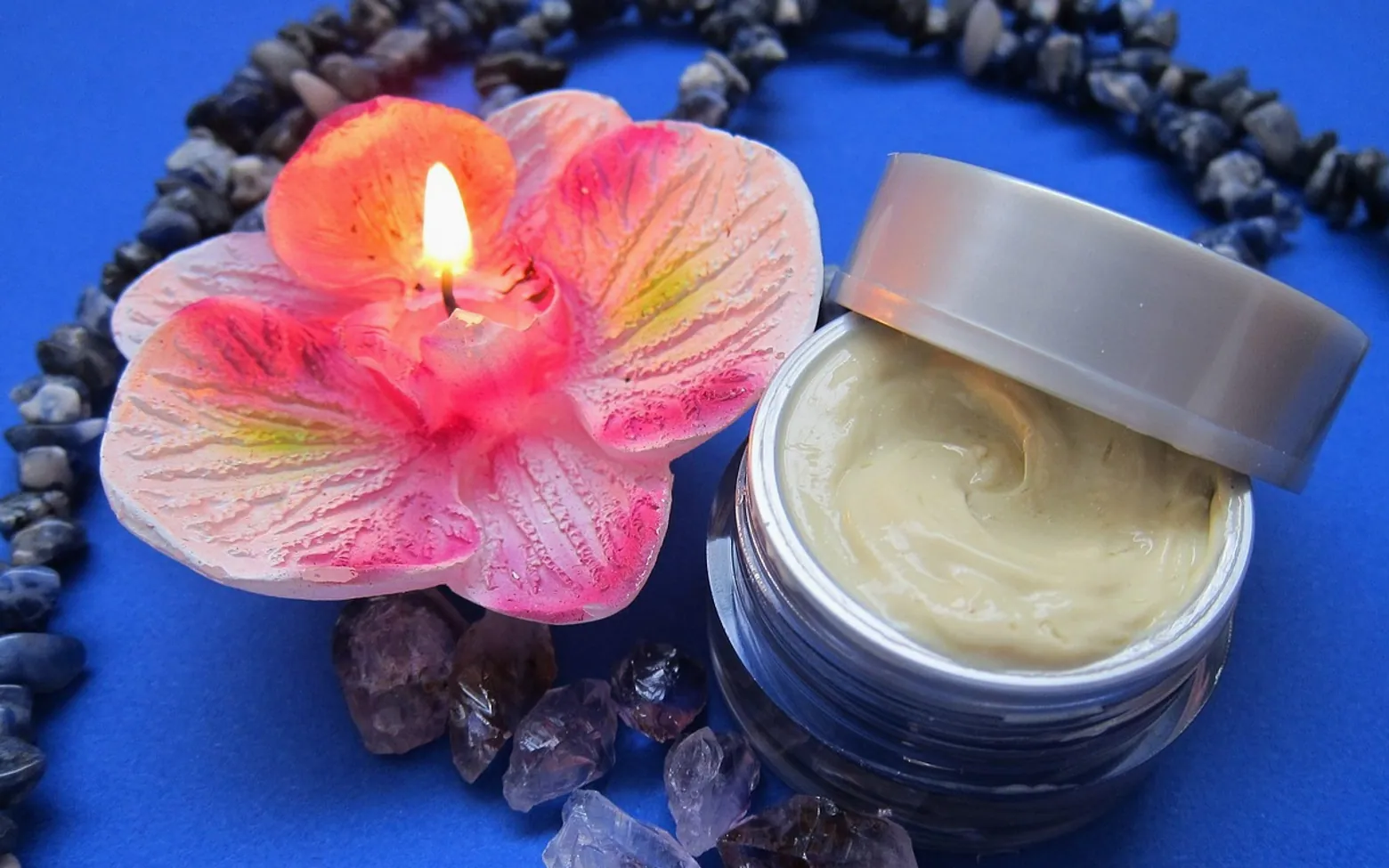
Rough, uneven skin usually responds to a calm routine: gentle cleansing, a mild exfoliant or retinoid a few nights a week, steady moisturizer and daily sunscreen.
Skin Care3 min
30 samples and counting Just in
Fresh habits, fresh rooms
Friendly how-to guides on skin care, filling food, beginner workouts and weekend home refreshes, written for people who would rather change one thing well than everything at once.

Next shades

Nobody books a haircut, a physio session or a brow appointment to sit and stare at a wall. Yet a few minutes of waiting are part of almost every visit, and how those minutes feel colours the whole experience. A silent room with dog-eared magazines makes ten minutes drag. A bright, calm space with something worth watching lets the same ten minutes slip by almost unnoticed. Well-chosen digital content can bring about that change with very little effort.
Time feels slower when there is nothing to focus on. Offer people something light and relevant to look at and their attention drifts away from the clock. Guests who reach the chair or treatment room relaxed rather than impatient tend to enjoy the service more, chat more easily and come back more often. Guests can do their part too, and a few habits for handling waiting with more patience make the same minutes easier to sit through.
A well-placed advertising display near reception or the seating area can handle several jobs at once. It can rotate style galleries, short clips explaining a treatment, seasonal offers or a friendly welcome with the names of today's team. Touchscreen versions let guests browse a service menu or product range at their own pace, and families appreciate a simple quiz or drawing game that keeps children busy.
| Setting | Content that fits |
|---|---|
| Hair or beauty salon | Style inspiration, aftercare tips, introductions to new products |
| Fitness studio | Class timetables, warm-up demos, member milestones shared with permission |
| Physio or therapy practice | Simple posture reminders, what a first appointment involves, opening hours |
| Optician or pharmacy counter | Frame trends, seasonal reminders, how to book a check |
The quickest way to lose attention is a loop that never changes. Plan a simple content calendar, add seasonal material and keep clips short. Use captions or a low volume so the room stays peaceful, and steer clear of anything that feels like a hard sell. Ask regular clients what they like watching and adjust; a small comment card or a quick question at checkout is enough to gather ideas. Handled with care, the waiting area stops being dead time and becomes a pleasant part of the visit itself.
Our pinned pick
Posted 5 minLifestyle

K-pop fans visit Gangnam and Cheongdam because these southern Seoul districts are closely tied to the industry behind the music: several entertainment companies have offices in the area, the streets are lined with fashion and beauty shops that echo the look of the stars, and visitors can join dance classes or browse official merchandise. The most rewarding trips treat the neighbourhood as a place where people live and work, not as a backstage pass, and they often end in the simplest fan activity of all, singing the songs together.
Gangnam is a large district south of the Han River, and Cheongdam is one of its quieter, more upmarket neighbourhoods. For fans, the attraction is less about a single landmark and more about atmosphere. You walk past the same kind of boutique streets, cafés and glass office buildings that appear in music videos and variety shows, and you get a sense of the everyday setting behind a very polished industry.
The local authorities have also leaned into this interest. A themed walking route, often referred to as the K-Star Road, links parts of the area with decorative figures and signs celebrating Korean pop culture. It works well as a loose framework for a self-guided walk: follow it for an hour, stop where something catches your eye, and step off whenever you like.
A day in the area does not need a tight schedule. Mornings tend to be calmer for walking and shopping, while dance classes and evening plans fit later in the day. The table below shows one way to pace things without rushing.
| Part of the day | Activity | Tip |
|---|---|---|
| Morning | Walk the themed route and nearby streets | Wear comfortable shoes; the district is spread out |
| Midday | Merchandise shops and a café break | Check whether a shop limits items per customer before queuing |
| Afternoon | Beginner dance class | Book ahead where possible and bring water and a spare top |
| Evening | Dinner and a karaoke room with friends | Agree on a finishing time so the night ends on a high |
If you want to get the most out of a dance class, a few weeks of light movement beforehand helps. The beginner routines in our guide to starting a workout routine at home are a gentle way to build stamina for an hour of choreography. And since many fans plan their outfits as carefully as their route, our piece on why old rules about wearing white no longer hold is a reminder that you can dress for the look you enjoy rather than for outdated etiquette.
The single most important point is that company buildings, rehearsal spaces and apartment blocks are private places. Staff and artists go there to work or to rest, and the people who live nearby are going about their ordinary lives. Fans who keep that in mind make the area more welcoming for everyone who comes after them.
Privacy is not only about the artists. Other fans, residents and workers deserve the same courtesy. Posting faces of strangers online, or tagging precise locations of private buildings, can cause real problems for people who never agreed to be part of your trip.
Yes. Most visitors never see anyone famous, and the trip is still enjoyable. The fun lies in the shopping, the class, the food and sharing the day with people who love the same music. Going in without that expectation also makes it easier to behave respectfully.
No, though a few polite phrases such as hello and thank you are always appreciated. Shops in the area are used to international visitors, and translation apps help with menus and signs.
For many fans, the natural finale is a karaoke room. Private singing rooms, known in Korea as noraebang, are rented by the hour for small groups, and their song catalogues usually include a large selection of K-pop tracks with lyrics on screen, often in both Korean and romanised form. It is a relaxed, low-pressure way to sing the choruses you rehearsed in the dance class, and nobody minds if the high notes go astray.
If you are planning this part of the evening and read Korean, or are happy to use a translation tool, the Karaoke of Gangnam Website is one resource that describes how karaoke visits in the district work. Before you go, it helps to agree on the group size, how long you want the room and whether everyone is comfortable with the volume.
Some rooms serve drinks alongside snacks. If your group orders alcohol, pace yourselves, keep water on the table and make sure nobody gets behind the wheel afterwards; the subway and taxis are the easy way home.
A K-pop day in Gangnam and Cheongdam is at its best when it stays light: a walk, a few souvenirs, a class that leaves you laughing, and a room full of friends singing along. Leave the private spaces alone, enjoy the public ones fully, and the neighbourhood will feel just as welcoming on your next visit.

Skin repairs itself in four overlapping stages. First a clot seals the break, then an inflammatory phase clears debris and germs, then new tissue fills the gap, and finally a slow remodeling phase reorganizes that tissue into a scar that grows stronger over months. Enzymes that cut and reshape the material between cells, including one called MMP-9, help the body move from one stage to the next. Most of what we know about this comes from careful laboratory research, and much of it is still being worked out.
| Stage | Roughly when | What happens |
|---|---|---|
| 1. Clotting (hemostasis) | Minutes | Blood vessels narrow, platelets clump and a fibrin mesh forms a plug |
| 2. Inflammation | First few days | White blood cells arrive to clear germs and damaged cells; the area may look red and warm |
| 3. New tissue (proliferation) | Days to a few weeks | Fresh blood vessels and connective tissue fill the gap; surface cells crawl across to close it |
| 4. Remodeling (maturation) | Weeks to many months | Collagen is reorganized and the scar slowly becomes flatter, paler and stronger |
The timings above are loose guides. Age, general health, the size and depth of the wound and where it sits on the body all change the pace.
Within moments of a cut, small blood vessels tighten to slow the bleeding. Platelets, tiny cell fragments carried in the blood, stick to the edges of the damage and to each other. A protein called fibrin then weaves a mesh through them, and the result is the clot. Once it dries on the surface, we call it a scab. The clot also releases signals that call in the cells needed next.
In a fresh wound, inflammation does useful work. White blood cells move in to deal with bacteria and swallow dead cells and debris, which is why a small cut can look pink and feel tender for a day or two. Researchers are especially interested in what happens when this phase drags on too long.
Next, cells called fibroblasts, the builders of connective tissue, lay down fresh collagen, the protein that gives skin its strength. New small blood vessels grow in to feed the area, and the pink, slightly bumpy tissue that forms is known as granulation tissue. At the same time, cells at the edge of the wound migrate across the surface until the gap is covered.
Even after a cut looks closed, work continues underneath. The first collagen laid down is fairly disorganized. Over the following months the body breaks some of it down and replaces it with better-aligned fibers. A healed scar does not fully match the skin around it, which is why old scars can still be seen years later.
Cells in a wound do not sit in empty space. They live inside the extracellular matrix, a scaffold of collagen and other proteins that fills the spaces between cells. To move, rebuild and reshape tissue, the body needs ways to trim that scaffold. Matrix metalloproteinases, usually shortened to MMPs, are a family of enzymes that do exactly this: they cut specific matrix proteins.
MMP-9 is one member of the family. In laboratory studies it has been linked with breaking down certain matrix components, helping cells migrate and releasing signals stored in the matrix. Balance seems to matter. Some early research suggests that too little matrix trimming could slow repair, while too much, for too long, may keep a wound from settling. The body also makes natural inhibitors that keep these enzymes in check. How that balance plays out in different wounds is still an open research question rather than settled fact.
Scientists who study wound repair want to know where a protein is, how much of it is present and whether it is active. To find MMP-9 in tissue samples or cell cultures, labs often use a tool such as an anti-MMP-9 rabbit polyclonal antibody, a research-use-only reagent raised in rabbits that binds to the target protein so it can be detected. Tools like this stay in the laboratory and are not used to diagnose or treat anyone.
Common lab approaches include:
Findings from cell dishes are a starting point for hypotheses, not a guide to treating any particular wound.
Science aside, minor cuts and scrapes at home usually need simple, gentle care. Many people find these general habits helpful:
A calm routine also helps the surrounding skin. Our guide to putting skin care products in the right order covers the basics, and if a healed area feels rough later, these notes on smoothing uneven skin without harsh scrubbing keep things gentle.
Deep, gaping or heavily bleeding wounds, bites, burns, cuts with dirt or debris stuck inside, and anything showing spreading redness, swelling, pus, fever or worsening pain should be checked by a doctor or nurse promptly. People with diabetes or circulation problems, or anyone whose wounds seem slow to heal, should also talk to a doctor rather than rely on home care.
From the outside, a scab forms and falls off. Underneath, sealing, cleaning, building and reshaping run in a careful order, and enzymes like MMP-9 are among the pieces researchers are still studying to learn why repair sometimes stalls.
6 shade families · 30 samples
Pick a corner to refresh
Every area starts with a practical guide you can try within a few days, no special kit or big budget required.
Gentle routines and honest notes on what creams can and cannot change.
Breakfasts that last, lunches made ahead and food that is easy to enjoy.
Beginner movement for the living room floor, with safety notes up front.
Paint, storage and weekend projects that change how a room feels.
Everyday wellbeing topics explained in general terms, with clear pointers to professional help.
Routines, quiet rituals and family moments that make ordinary days smoother.
A makeover calendar
Each season suits a different kind of refresh. Use this as a loose rhythm, not a rulebook.
Empty the closet and pass on what nobody wore all winter, swap heavy moisturizers for lighter ones, and start a walking habit while the evenings stretch out.
Blend frozen fruit into quick breakfasts, keep sunscreen by the door, and save the big paint job for a dry, breezy spell so the room airs out quickly.
Batch-cook soups and stews for the freezer, move workouts indoors before the weather turns, and give tired hallways a warmer shade on the walls.
Protect skin from dry indoor heat, keep a short home routine for dark mornings, and plan one small project for the new year rather than ten.
Two ways to change
Big transformations look great in photos. The ones that last usually happen in smaller pieces.
Slow does not mean small. Six habits added one after another can change a year more than six started on the same morning.
30 samples
Rough, uneven skin usually responds to a calm routine: gentle cleansing, a mild exfoliant or retinoid a few nights a week, steady moisturizer and daily sunscreen.
Skin Care3 min