No.026
How to Calm Down: Quick Ways to Settle Your Body and Mind
Slow the breath, bring attention back to the room, move a little and name what you feel. Small physical steps calm the body first, and the mind tends to follow.
- Posted
- Minutes needed
- 4 min
- Corner
- Lifestyle
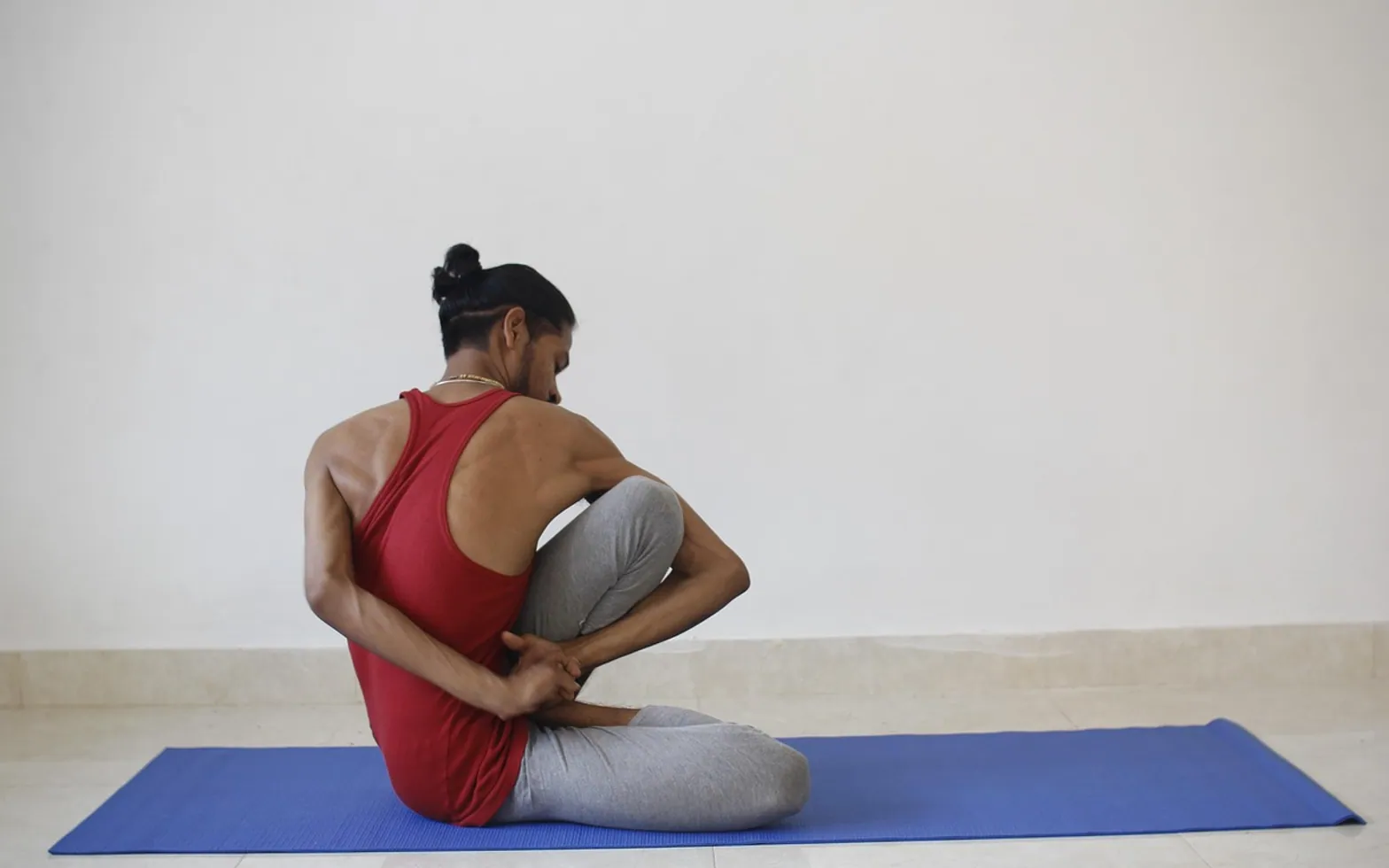
When you need to calm down fast, start with the body rather than the thoughts. Breathe out more slowly than you breathe in, unclench your jaw and shoulders, look around and name a few things you can see, and if you can, step away and move for a few minutes. These steps signal to your nervous system that the moment is safe. Once the wave has passed a little, it becomes much easier to think about what set it off and what to do next.
Why the body comes first
Stress and anger trigger an automatic response: the heart speeds up, breathing becomes quick and shallow, muscles tense and attention narrows. Telling yourself to "just relax" rarely works while that response is running, because it is driven by the body, not by logic. Slowing the breath and relaxing muscles works in the other direction, sending calmer signals back up to the brain.
Seven ways to settle in the moment
1. Lengthen your out-breath
Breathe in gently through your nose for a count of about four, then out through slightly pursed lips for a count of six or so. Carry on like this for roughly ten breaths. If counting feels stressful, simply aim for an exhale that is a little longer than the inhale.
2. Try the 5-4-3-2-1 check
Name five things you can see, four you can touch, three you can hear, two you can smell and one you can taste. Moving attention through the senses pulls it away from spiraling thoughts and back to the present room.
3. Cool down, literally
Splashing cool water on your face, holding a cold glass or running your wrists under the tap can interrupt the rush of a strong emotion. It is a quick reset that many people find surprisingly effective.
4. Tense, then release, your muscles
Squeeze your hands into fists for a few seconds, then let go and notice the difference. Do the same with your shoulders, jaw and feet. This is a short version of progressive muscle relaxation.
5. Move
A brisk walk around the block, a few flights of stairs or a short set of the beginner moves in our guide to working out at home gives the body something to do with the energy that stress releases.
6. Name the feeling
Putting a word to what is happening, such as "frustrated", "embarrassed" or "worried about tomorrow", often takes some heat out of it. Say it quietly to yourself or write it down.
7. Change the scene
Step outside, open a window, move to another room or put on a piece of music you associate with ease. A different setting can break a loop of thoughts.
Which tool fits which moment
| Situation | Try first | Then |
|---|---|---|
| In a meeting or on a call | Slow exhales, relaxed shoulders | Notes on what to say once you are calmer |
| After an argument | Step away and walk | Name the feeling before replying |
| Before a difficult conversation | 5-4-3-2-1 check | Write down the one point you want to make |
| Lying awake at night | Muscle relaxation, slow breathing | Jot worries on paper to deal with in the morning |
| In a crowded, noisy place | Find a quieter corner, cool water | Headphones or a short break outside |
Habits that keep stress lower
Quick techniques work best when your baseline is steadier. A few everyday habits help:
- Regular sleep times, as far as life allows.
- Watching caffeine, especially later in the day, since it can mimic the jittery feeling of anxiety.
- Moving most days, even in short bursts.
- Writing things down. A few lines in a notebook each evening can clear your head; our piece on pregnancy journaling shows how a simple writing habit can become something people look forward to.
- Staying connected. Talking to a friend or family member puts problems into proportion.
- Practicing when calm. Breathing and grounding come more naturally in a tense moment if you have tried them on an ordinary day.
Things that seem to help but often backfire
- Venting by shouting or hitting things, which can keep the body in a heightened state.
- Scrolling the news or social media to distract yourself.
- Relying on alcohol, nicotine or extra caffeine to take the edge off.
- Replaying the situation over and over in search of the perfect response.
When to look for more support
Feeling stressed or upset is part of life, but it is worth talking to a doctor or a mental health professional if you often feel overwhelmed, if anxiety or anger is affecting your work, sleep or relationships, or if you experience sudden episodes of racing heart, breathlessness and fear. Talking therapy can teach lasting skills; our article on how therapists support sustainable personal growth looks at what that kind of support can involve.
If you ever feel unsafe or have thoughts of harming yourself, contact emergency services or a crisis line in your country straight away.
Where we stand
Our guides inform, your clinician decides
We write to make everyday health topics easier to understand and easier to act on in small, safe ways. We are not trained clinicians, and an article can never know your history, your medicines or what a professional would notice in person.
If something you read here sits uneasily with advice you have been given face to face, follow the advice of the person who has actually seen you.
Sunniva, Ansgar, Briallen and Halvard