No.013
How to Start Working Out at Home
You do not need a gym, a fancy app or a spare room to start moving more. A patch of floor, a sturdy chair and a plan for the first week are enough.
- Posted
- Minutes needed
- 4 min
- Corner
- Fitness
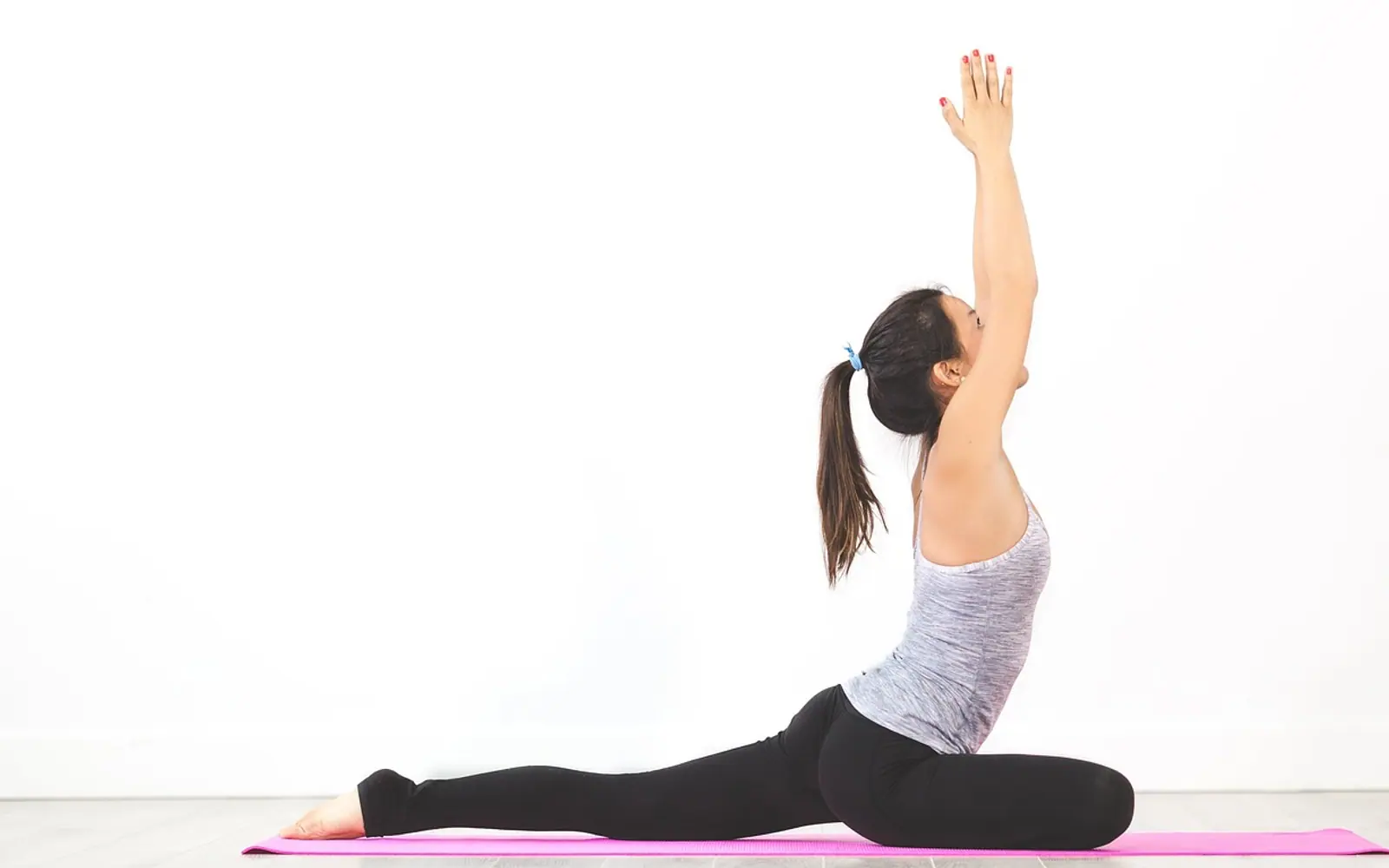
The hardest part of exercising at home is not the exercise. It is deciding what to do, when to do it and how to keep going once the novelty wears off. A gym gives you a building, a timetable and other people to copy. At home you have the sofa, the laundry and your phone. So the trick is to remove as many decisions as possible and start smaller than feels impressive.
Before you begin
Most adults can safely start gentle exercise, but it is sensible to speak to a doctor first if you have a heart or lung condition, high blood pressure, diabetes, joint problems or a recent injury, if you are pregnant or have recently given birth, or if you have been inactive for a long time and are unsure where to begin. Stop straight away and seek medical help if you feel chest pain, severe breathlessness, dizziness or pain that is sharp rather than the ordinary effort of working muscles.
Set up a small space
You need roughly the room it takes to lie down with your arms stretched out. Clear away rugs that slide and anything you could trip over. A mat or folded towel makes floor work more comfortable, a sturdy chair or the bottom step of the stairs is useful for support, and a bottle of water should be within reach. Supportive sneakers help if you will be stepping or marching on a hard floor.
Warm up every time
Spend five minutes getting warm before you start. March on the spot, roll your shoulders, swing your arms gently, circle your hips and do a few slow, shallow squats. You should feel a little warmer and slightly out of breath, but still able to talk easily.
Five beginner moves
Sit-to-stand
Sit near the front of a sturdy chair, feet flat and hip-width apart. Lean forward slightly and stand up without using your hands if you can, then sit back down slowly. This is the simplest form of a squat and works the legs and hips.
Wall or countertop push-up
Place your hands on a wall or kitchen countertop slightly wider than your shoulders, walk your feet back and bend your elbows to bring your chest towards your hands, then push away. The further your feet are from the wall, the harder it gets.
Glute bridge
Lie on your back with knees bent and feet flat. Squeeze your buttocks and lift your hips until your body makes a straight line from shoulders to knees, pause, then lower slowly.
Bird dog
Kneel on all fours. Reach one arm forward and the opposite leg back, keeping your back level, hold for a moment and swap sides. It is a gentle way to train balance and the muscles around your middle.
Marching or step-ups
March briskly on the spot, lifting your knees, or step up and down on the bottom stair while holding the banister. This gets your heart rate up without jumping.
A sample first week
Do each move slowly and with control, stopping a few repetitions before your form breaks down. Rest for about a minute between moves, and go round the circuit once or twice depending on how you feel.
| Day | What to do |
|---|---|
| Monday | Warm-up, then the five moves once or twice through |
| Tuesday | A brisk walk outside, or marching indoors while a favorite playlist runs |
| Wednesday | Rest or gentle stretching |
| Thursday | Warm-up and the five moves again |
| Friday | Rest |
| Saturday | Something you enjoy: dancing in the kitchen, cycling, yard work, a longer walk |
| Sunday | Rest, or a short stretch before bed |
How to progress
After a couple of weeks, if the routine feels comfortable, change one thing at a time. Add a few repetitions, go round the circuit once more, slow the lowering part of each move, or try a harder version, such as moving push-ups from the wall to a lower surface. Some muscle soreness a day or two after a new exercise is common; pain in a joint, or soreness that gets worse rather than better, is a sign to ease off and get it checked if it persists.
Making the habit stick
- Attach it to something you already do. After the morning coffee or before the evening news works better than "sometime today".
- Keep the kit visible. A mat left by the sofa is a quiet reminder.
- Write it down. A tick on a calendar is surprisingly motivating.
- Plan for bad days. On low-energy days, do the warm-up and one round. It still counts.
- Eat to support it. A filling breakfast makes morning sessions easier; our guide to smoothies that keep you full has a few quick ideas, and prepping meals ahead frees up time in the evening.
Home workouts will not look like the videos, and they do not need to. The aim for the first month is simply to move a bit more than before, without getting hurt, often enough that it starts to feel normal.
Where we stand
Our guides inform, your clinician decides
We write to make everyday health topics easier to understand and easier to act on in small, safe ways. We are not trained clinicians, and an article can never know your history, your medicines or what a professional would notice in person.
If something you read here sits uneasily with advice you have been given face to face, follow the advice of the person who has actually seen you.
Sunniva, Ansgar, Briallen and Halvard