No.010
Isometric vs Isotonic Exercise: Holding Still vs Moving Through a Rep
A plank and a squat both work your muscles, but in different ways. One asks you to hold still under tension, the other to move. Here is how they compare and how to use both.
- Posted
- Minutes needed
- 4 min
- Corner
- Fitness
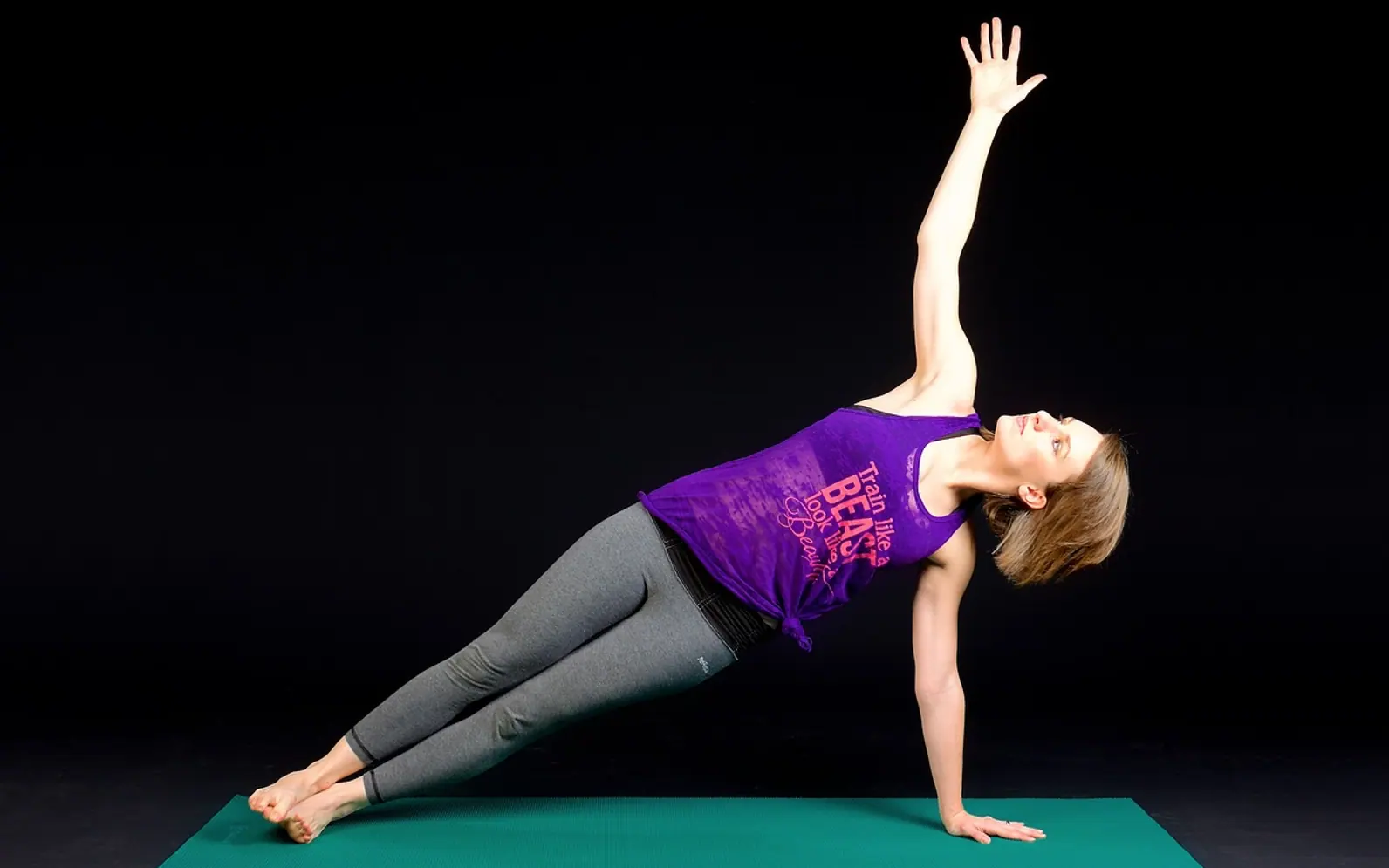
The difference between isometric and isotonic exercise is movement. In an isometric exercise, the muscle works hard while the joint stays still, as in a plank or a wall sit. In an isotonic exercise, the muscle shortens and lengthens as you move a load through a range of motion, as in a squat, a push-up or a biceps curl. Both build strength; they simply do it in different ways, and most balanced routines use some of each.
Isometric exercise in plain terms
"Iso" means same and "metric" refers to length: the muscle stays roughly the same length while it is under tension. You push or hold against resistance that does not move, whether that is the floor, a wall or your own body weight. The effort is real even though nothing seems to be happening, which is why a thirty-second plank can feel so long.
Common isometric exercises include:
- Plank and side plank for the trunk and shoulders.
- Wall sit for the thighs and glutes.
- Glute bridge hold for the back of the hips.
- Dead hang from a bar for grip and shoulders.
- Bird dog hold, pausing with opposite arm and leg extended; see our guide to the bird dog exercise for form tips.
Isotonic exercise in plain terms
"Tonic" relates to tension. In isotonic work, the load stays the same while the muscle changes length. Every repetition has two phases:
- Concentric — the muscle shortens, such as lifting a dumbbell towards the shoulder.
- Eccentric — the muscle lengthens under control, such as lowering it again.
Squats, lunges, push-ups, rows, step-ups and most gym exercises fall into this group. Running and cycling are rhythmic forms of isotonic movement too. Harder, shorter bursts of it are covered in our guide to anaerobic exercise.
Side-by-side comparison
| Isometric | Isotonic | |
|---|---|---|
| Joint movement | None, or very little | Through a range of motion |
| Typical examples | Plank, wall sit, bridge hold | Squat, push-up, lunge, row |
| Measured in | Seconds held | Repetitions and sets |
| Strength gained | Mostly around the angle you hold | Across the whole movement |
| Equipment | Usually none | Body weight, bands or weights |
| Good for | Stability, posture, quiet home sessions | Everyday movement, muscle and strength |
What each type is good for
Where isometrics shine
Holds are easy to learn and need no kit, which makes them useful for beginners, small spaces and anyone who wants a short session. They train the trunk to stay steady, which supports posture during daily tasks. Because the joint does not move, some people find holds more comfortable than full movements on days when a joint feels sensitive, although that is something to talk through with a health professional if pain is involved.
Where isotonic work shines
Moving through a range trains muscles in the way you actually use them: standing up, climbing stairs, carrying shopping. Strength built this way carries over across the whole movement rather than mostly at one angle. It is also easier to progress gradually by adding repetitions, slowing the lowering phase or increasing the load.
Putting both into one routine
A simple home session can mix the two. Here is one example for a beginner:
- Warm up with a few minutes of marching on the spot and arm circles.
- Squats: two sets of an easy number of repetitions.
- Wall sit: two holds, stopping well before your form slips.
- Push-ups against a wall or kitchen counter: two sets.
- Plank from the knees or toes: two short holds.
- Glute bridges: one set of repetitions, finishing with a short hold at the top.
- Cool down with gentle stretches.
If you are just getting started, our guide on how to start working out at home covers space, timing and building a habit.
Breathing and safety notes
- Keep breathing during holds. Holding the breath while straining can push blood pressure up sharply. Count out loud if that helps.
- Stop if you feel sharp pain, dizziness or chest discomfort, and seek medical advice.
- Talk to a doctor first if you have high blood pressure, a heart condition, are pregnant or are recovering from an injury; they can say which kinds of effort suit you.
- Prioritise form over time or load. A shorter, solid plank is better than a long, sagging one.
Common questions
Can isometric exercises build muscle?
They can strengthen muscles, particularly at the angle held, and are a useful part of training. Most people who want broader strength and muscle also include movements through a full range.
Is walking isotonic?
Yes. Walking moves joints through a range with a steady body-weight load, so it counts as rhythmic isotonic activity.
What is isokinetic exercise?
A third type, where a machine keeps the speed of movement constant while resistance changes. It is mostly found in rehabilitation settings rather than home workouts.
Where we stand
Our guides inform, your clinician decides
We write to make everyday health topics easier to understand and easier to act on in small, safe ways. We are not trained clinicians, and an article can never know your history, your medicines or what a professional would notice in person.
If something you read here sits uneasily with advice you have been given face to face, follow the advice of the person who has actually seen you.
Sunniva, Ansgar, Briallen and Halvard