No.023
How to Dispose of Paint Safely (Latex, Oil-Based and Spray)
Leftover paint never goes down the drain. Water-based paint can often be dried and binned where local rules allow; oil-based and spray paint go to hazardous waste collection.
- Posted
- Minutes needed
- 4 min
- Corner
- Home Makeover
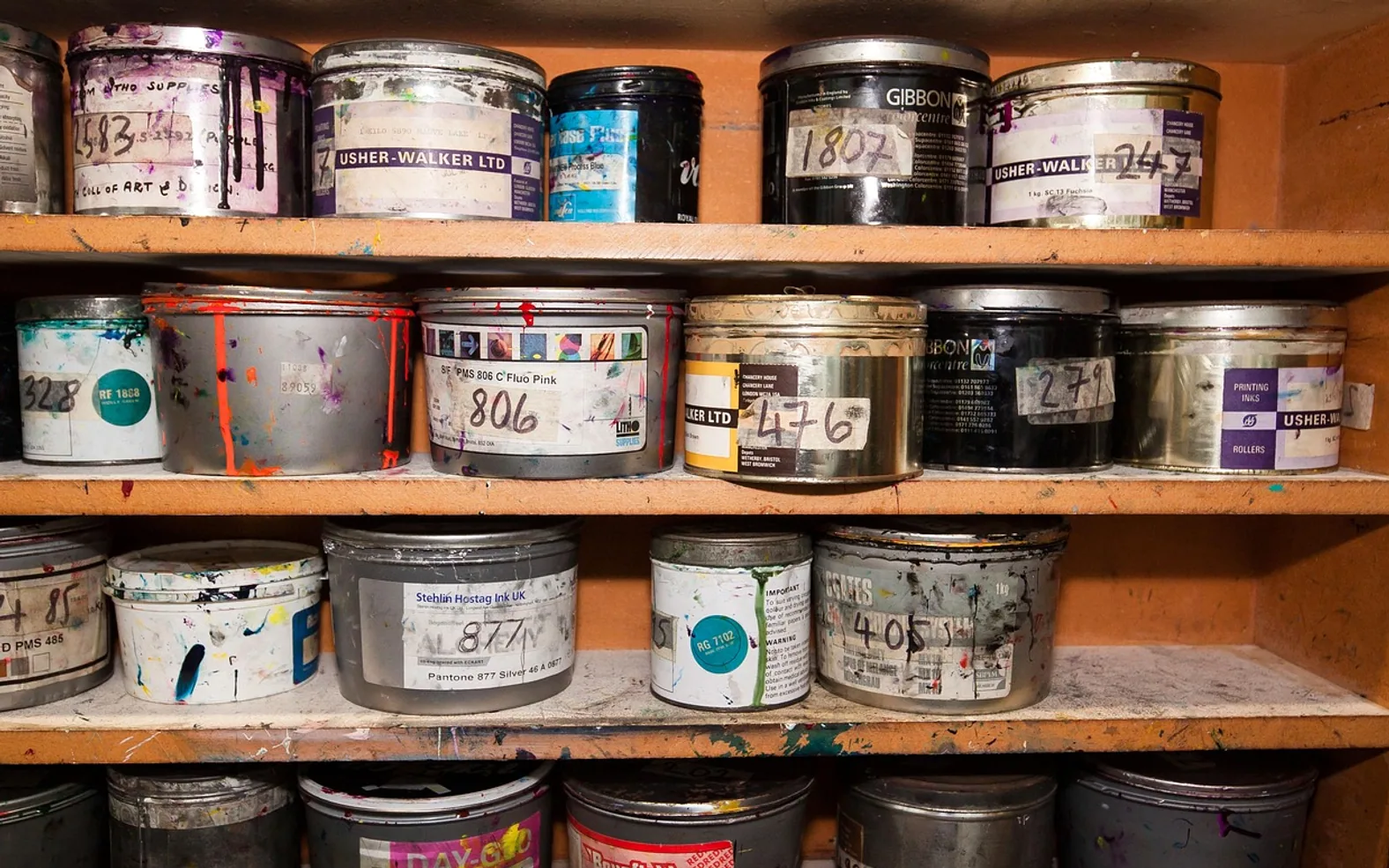
How you dispose of paint depends on what kind it is and where you live. Water-based latex or acrylic paint can often be dried out completely and put in the household trash, if your local authority allows it. Oil-based paint, varnish, stains, thinners and spray cans count as household hazardous waste in many places and should go to a collection site or event. Never pour any paint into a sink, toilet, storm drain or onto the ground. Before you do anything, check your city or county waste rules, because they differ a lot from one area to the next.
Step 1: Work out what type of paint you have
The label usually tells you. If the clean-up instructions say "soap and water", it is water-based. If they mention mineral spirits, paint thinner or turpentine, it is oil-based (sometimes called alkyd). Old, unlabeled cans can be tested by dabbing a little on a rag with rubbing alcohol: water-based paint tends to soften and lift, oil-based does not.
| Product | How to recognize it | Usual disposal route |
|---|---|---|
| Latex or acrylic wall paint | Cleans up with water; mild smell | Use up, donate or dry out and bin where permitted; paint recycling drop-off if available |
| Oil-based paint, varnish, stain | Cleans up with solvent; stronger smell | Household hazardous waste collection |
| Spray paint | Pressurized aerosol can | Hazardous waste if any paint or pressure remains; some areas recycle fully empty cans |
| Thinners, solvents, strippers | Flammable warnings on label | Household hazardous waste collection |
| Dried paint chips from an older home | Flakes from surfaces painted decades ago | Treat with care; may contain lead (see below) |
Step 2: Use it up or pass it on
The easiest paint to get rid of is the paint you never throw away. A partly full can is handy for touch-ups, a coat on a closet wall or a garage shelf, or a primer layer under a darker color. Community centers, theater groups, schools and reuse stores sometimes accept sealed, usable paint. Some US states run paint stewardship programs with drop-off points at participating stores, where leftover paint is collected for recycling.
Step 3: Dry out leftover latex paint
Where local rules allow dried latex in the trash, solidifying it is straightforward:
- Work outdoors or in a well-ventilated space, away from children, pets and rain.
- For a thin layer at the bottom of a can, leave the lid off and let it air-dry. Stir now and then to speed things up.
- For larger amounts, stir in an absorbent such as clay cat litter, sawdust, shredded newspaper or a store-bought paint hardener until it reaches a thick, oatmeal-like consistency.
- Let it set completely. It should be firm, not tacky, before it goes anywhere.
- Bin it with the lid off so collectors can see the paint is solid, if that is what your area asks for.
Do not use this method for oil-based paint. Leaving solvent-based products open to evaporate releases fumes and creates a fire risk.
Step 4: Take hazardous products to a collection site
Keep oil-based paint and solvents in their original, tightly closed containers and carry them upright in a sturdy box. Many counties run permanent drop-off sites or seasonal collection days for household hazardous waste. Never mix different products together to save trips.
Empty cans, brushes and rollers
- Empty metal cans with only a dry skin of paint left are accepted with metal recycling in many areas. Leave the lid off.
- Latex brushes and rollers can be washed in a utility or kitchen sink connected to the sewer, after wiping off as much paint as possible. Do not rinse them outside where water runs into a storm drain.
- Oil-based brushes are cleaned in a jar of solvent. Let the solids settle, pour the clear solvent back into a labeled container for reuse and take the sludge to hazardous waste collection.
- Rags soaked in oil-based products can heat up and catch fire on their own as they dry. Lay them flat outdoors to dry, or seal them in a metal container filled with water, then follow local disposal rules.
A note on old paint and lead
Homes built before 1978 in the US may have lead-based paint on walls, windows and trim. Sanding or scraping it releases harmful dust. If you are removing old paint, have it tested first and follow lead-safe practices, or hire a certified contractor. Our guide on painting a room like a pro covers the prep stage in more detail.
Keeping leftover paint usable
Wipe the rim clean, lay plastic wrap over the opening and tap the lid down firmly with a rubber mallet. Label the can with the room and date. Store it somewhere that stays above freezing and away from heaters, pilot lights and direct sun. A dedicated shelf, part of the system in our guide on how to organize a garage, keeps cans visible so they get used before they spoil.
Paint that smells sour, has gone lumpy or has separated and will not remix is past saving; dispose of it as described above.
Where we stand
Our guides inform, your clinician decides
We write to make everyday health topics easier to understand and easier to act on in small, safe ways. We are not trained clinicians, and an article can never know your history, your medicines or what a professional would notice in person.
If something you read here sits uneasily with advice you have been given face to face, follow the advice of the person who has actually seen you.
Sunniva, Ansgar, Briallen and Halvard